
STAINLESS STEEL FOR YOUR COMPONENTS

Automotive Trim

We help you choose coil, strip and sheet for automotive trim with surface appearance and forming considered together. Stamped, spring and exhaust parts are handled against their own material and finished-part requirements.

Material for the Parts You Make

Decorative trim, stamped brackets and formed shells

Exhaust components and formed tube parts with their own service requirements

Mechanical and Electronic Components

For stamped brackets, shields, spring clips, connectors and precision housings, we can review strip or sheet against your drawing, forming route and required delivery condition. Thickness and edge requirements can be included in the same enquiry.
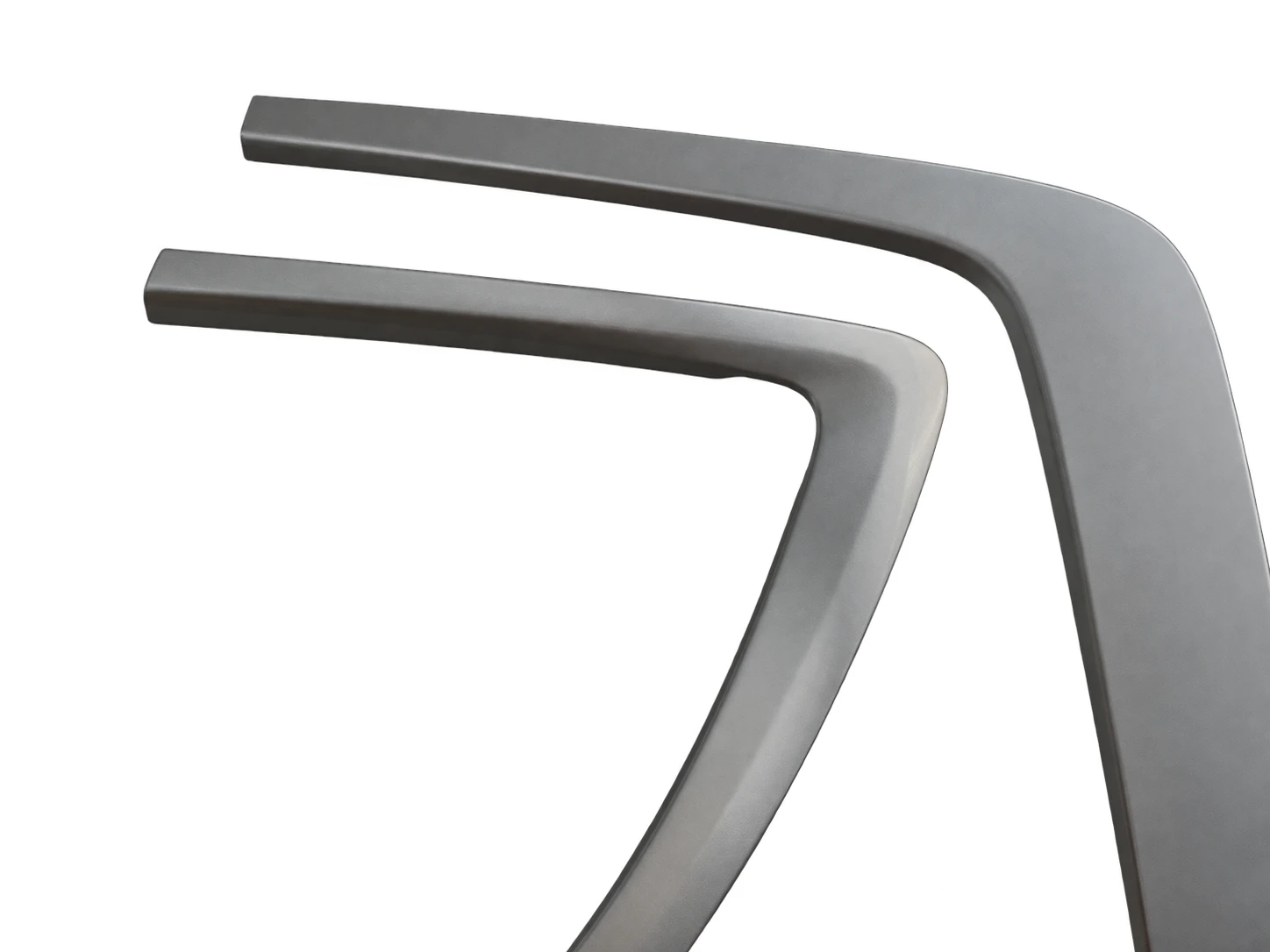
Two formed metal automotive trim sections with curved corners

Material, Processing & Surface Options

Surface Options for Your Part

Finishes for Automotive Trim

Discuss PVD colour and functional topcoats with the base surface and forming requirements of your visible trim.

Colour and gloss references, visible faces, forming, edges and appearance tests help define the finish you need.

Discuss PVD Finishes

Film-Laminated Trim and Panels

Decorative film offers colour and texture options for metal-faced trim and interior or exterior parts. We help you consider the film with the component geometry and later processing.

A drawing or appearance sample can show the part location, folds, cut edges and downstream processing requirements.

Discuss Decorative Film Lamination

Functional Topcoats

You can discuss a final topcoat separately from the stainless steel grade and base finish.

The way your component will be handled and cleaned helps define the appearance sample and comparison checks.

Discuss Functional Topcoats

Processing & Samples

  1. Component and Surface

    Decorative trim, spring parts, structural parts and exhaust components are treated as different material and processing needs.

  2. Forming and Finish Sequence

    We work through stamping, roll forming, cutting or welding requirements with you and establish when the surface treatment is applied.

  3. Sample and Finished-Part Checks

    An agreed appearance sample and dimensional, edge and surface checks provide the reference for your processed part.

Information for Your Enquiry

You can enquire with a drawing, sample reference or a short description. The details below help us review the material, processing and delivery you need; share what you already know.

Part drawing

Share the drawing or sample reference, with the forming or bending steps used to make the part.

Strip and sheet sizes

Thickness tolerance, width and edges help match the incoming material to your forming process.

Tube geometry

For formed tube parts, include outside dimensions, wall thickness and any required ovality.

Finish and inspection

A surface reference and inspection plan help define the appearance and finished-part checks.

Quantity & Delivery

An estimated quantity and destination help us review delivery options. You can also include any inspection documents, protective film or packaging your order needs.

PURCHASING QUESTIONS

Your Material & Ordering Questions

Can 409, 409L, 439 and 441 be substituted for one another?

They are separate material designations. Keep the grade specified on your drawing when enquiring. Any proposed change needs to address the forming, welding, corrosion and thermal requirements of the part.

How can I enquire about 409 or 409L for an exhaust tube?

You can request 409 coil or sheet, and 409L sheet, as starting material for downstream tube fabrication. For finished tubes, choose from the grades listed on the tube product page and include your component specification.

What can I send for a stamped or deep-drawn automotive part?

A drawing with the forming depth and direction is useful. Add any thickness tolerance, edge and surface requirements you have, including the treatment of welds, coating or later heat treatment. These can be discussed together in one enquiry.

How do I specify strip for spring clips?

Include the required temper or mechanical condition and the part specification, along with the forming sequence. Thickness, width, burr limits and edge orientation help define the strip to be supplied.

Loading your request…