
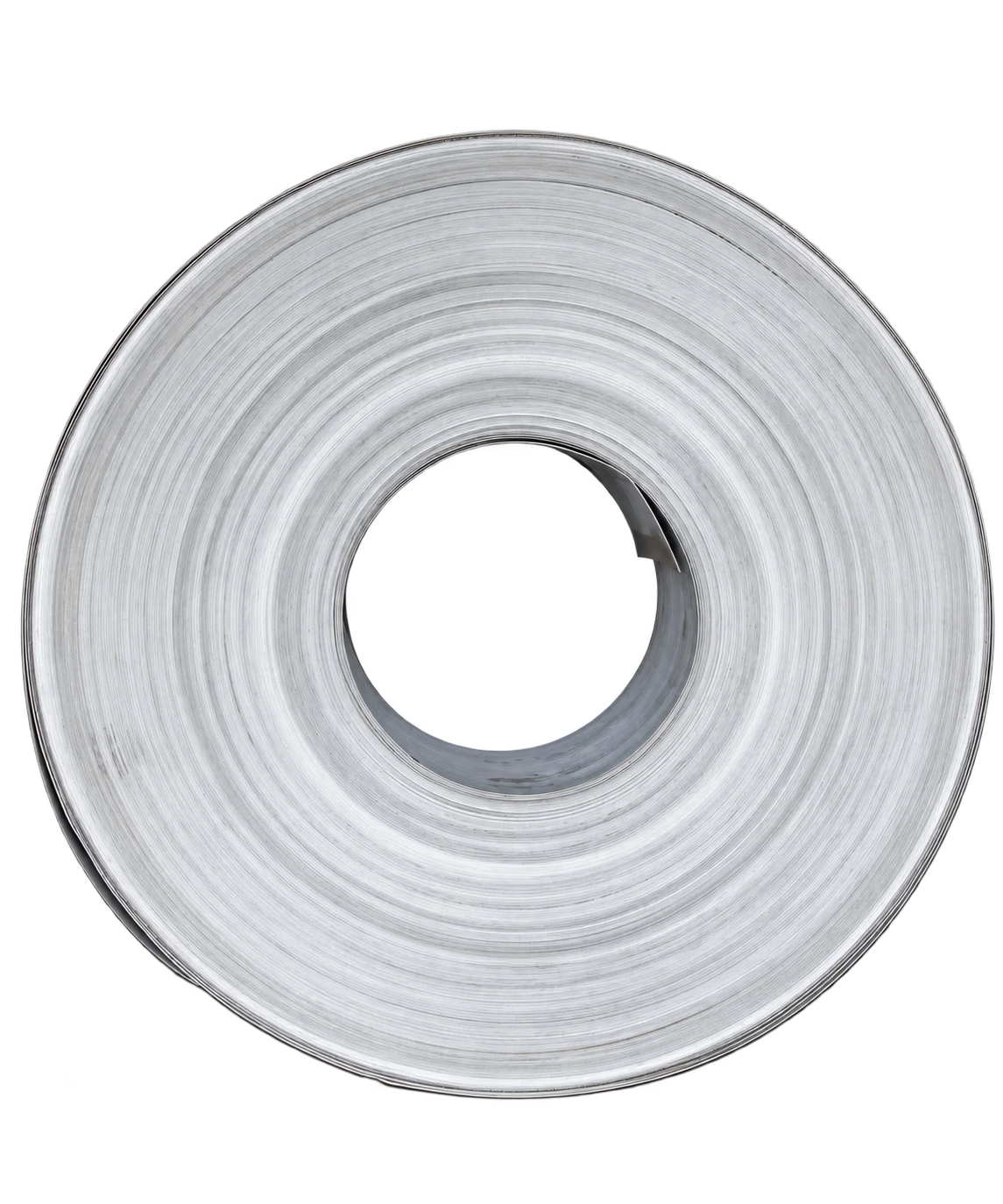
STAINLESS STEEL MATERIALS

Ferritic Stainless Steel

Explore ferritic stainless steel for appliance parts, formed components and other specified uses. Compare the individual grade with your corrosion exposure, forming, welding and surface requirements.

Grade Directory

Open a grade to compare its characteristics, uses and processing needs. Choose a product within that entry to carry the grade into your specification.

Grade Characteristics & Selection

409Ferritic grade for functional exhaust and heat-exposed parts

Material Characteristics

409 is a ferritic grade used where functional corrosion and heat resistance matter more than a decorative finish.

Typical Uses

Typical uses include automotive exhaust components and fabricated heat-exposed parts.

Processing and Delivery

Forming, welding and surface expectations help define the product you need. For strip, include edge quality and the condition needed for the next operation.

Comparing Grades

409 and 430 answer different appearance and exposure requirements. A bright cosmetic surface should be specified rather than assumed.

409LLow-carbon 409-family ferritic grade

Material Characteristics

409L is a low-carbon ferritic designation used in formed and welded exhaust components.

Typical Uses

It is commonly associated with automotive exhaust-system parts and heat-exposed sheet fabrications.

Processing and Delivery

State the required grade specification, weld plan and forming sequence. Add the surface condition and thickness tolerances needed for production.

Comparing Grades

409L should remain distinct from the general 409 entry. A similar family name does not replace the exact material requirement.

430General-purpose ferritic material for appliances and trim

Material Characteristics

430 is a ferritic stainless steel used for general corrosion resistance and formed decorative surfaces.

Typical Uses

Typical uses include appliance panels, kitchen components and indoor trim.

Processing and Delivery

Choose the visible finish around your part design, with forming direction, edges and any welding considered together.

Comparing Grades

430F is the machining-oriented variant. Where welding and forming dominate, compare 430 with stabilized ferritic grades rather than choosing by appearance alone.

430FMachining-oriented ferritic grade

Material Characteristics

430F is a free-machining ferritic stainless steel and does not gain hardening through quench heat treatment.

Typical Uses

Typical uses are machined fittings and small mechanical components.

Processing and Delivery

The machining operation and final surface help define this material request. Any forming or welding should also be considered when choosing the grade and delivery condition.

Comparing Grades

430F prioritizes machinability over the general forming role of 430. It is also distinct from hardenable martensitic machining grades such as 416.

430J1LFerritic grade for coil specifications

Material Characteristics

430J1L is a ferritic stainless steel grade. Use its exact designation when comparing material for your coil requirement.

Typical Uses

The formed component, exposure and appearance you need help us discuss this grade with you.

Processing and Delivery

Your material standard, rolling condition, forming sequence, dimensions and inspection requirements define the material request.

Comparing Grades

Compare 430J1L separately with 430, 430F and other mill-specific designations, using the material specification required for your part.

436Ferritic stainless steel for coil requirements

Material Characteristics

436 is a ferritic stainless steel grade offered as a separate coil selection.

Typical Uses

The service environment, operating conditions and finished component help define whether this grade matches your material specification.

Processing and Delivery

Share the grade and standard from your specification, along with the delivery condition, forming or welding and dimensions you need.

Comparing Grades

Compare 436, 430 and 444 as separate grades. A general 400-series description does not define the material you are ordering.

439Stabilized ferritic grade for formed and welded parts

Material Characteristics

439 is a stabilized ferritic stainless steel with improved forming and welding characteristics relative to basic 430.

Typical Uses

Typical uses include appliance components, fabricated housings and exhaust-system parts.

Processing and Delivery

Include the draw or bend requirements, weld details and visible surface condition. Strip orders should also state the desired edge.

Comparing Grades

439 is a stabilized ferritic option. It should not be confused with the machining-focused 430F or selected solely by the 400-series label.

441Stabilized ferritic grade for heat-exposed fabrication

Material Characteristics

441 is a stabilized ferritic grade used for components combining forming, welding and heat exposure.

Typical Uses

Common uses include exhaust equipment and heat-exposed fabricated sheet components.

Processing and Delivery

Describe the heat cycle and joint design, together with the forming direction and delivery surface. Keep the exact grade on the purchase specification.

Comparing Grades

441 and 439 have related applications but remain separate grades. Compare the required heat-service and fabrication conditions rather than treating the names as equivalents.

442400-series ferritic grade for coil requirements

Material Characteristics

442 is a ferritic stainless steel grade specified by its own designation for coil enquiries.

Typical Uses

A component drawing, service exposure and any temperature-related design requirements help define your enquiry for this grade.

Processing and Delivery

Include the standard, delivery condition, dimensions, surface and inspection criteria required by your part.

Comparing Grades

Compare 442 separately with 441, 444 and proprietary grades. Use the required material standard to establish the exact specification.

444Ferritic option for increased localized-corrosion resistance

Material Characteristics

444 is a stabilized ferritic grade used where localized-corrosion resistance is important.

Typical Uses

Typical uses include water-heating equipment and heat-exchanger components.

Processing and Delivery

Give the water chemistry, cleaning conditions and weld requirements. Specify the delivery finish and surface protection for subsequent fabrication.

Comparing Grades

444 addresses more demanding exposure than general-purpose 430. Its ferritic forming and welding behaviour should be assessed separately from 316-family austenitic material.

Delivery Condition and Purchasing Requirements

Dimensions, surface finish and the planned forming or welding route help us review ferritic material for your component.

Include any product standard, dimensional tolerances and inspection documents shown on your specification. The grade, product form and delivery condition are reviewed together for the order.

Contact Sales

Share the component drawing and any known grade, dimensions or finish. Quantity, delivery condition and destination can be included in the same enquiry.