
Door-frame trim, skirting, wall-edge strips, corner guards and connectors
Visible panels, railings, brackets and architectural frames
We help you select coil, strip, sheet or other product forms for your component drawing and downstream fabrication.
Door-frame trim, skirting, wall-edge strips, corner guards and connectors
Visible panels, railings, brackets and architectural frames
We help you select coil, strip, sheet or other product forms for your component drawing and downstream fabrication.
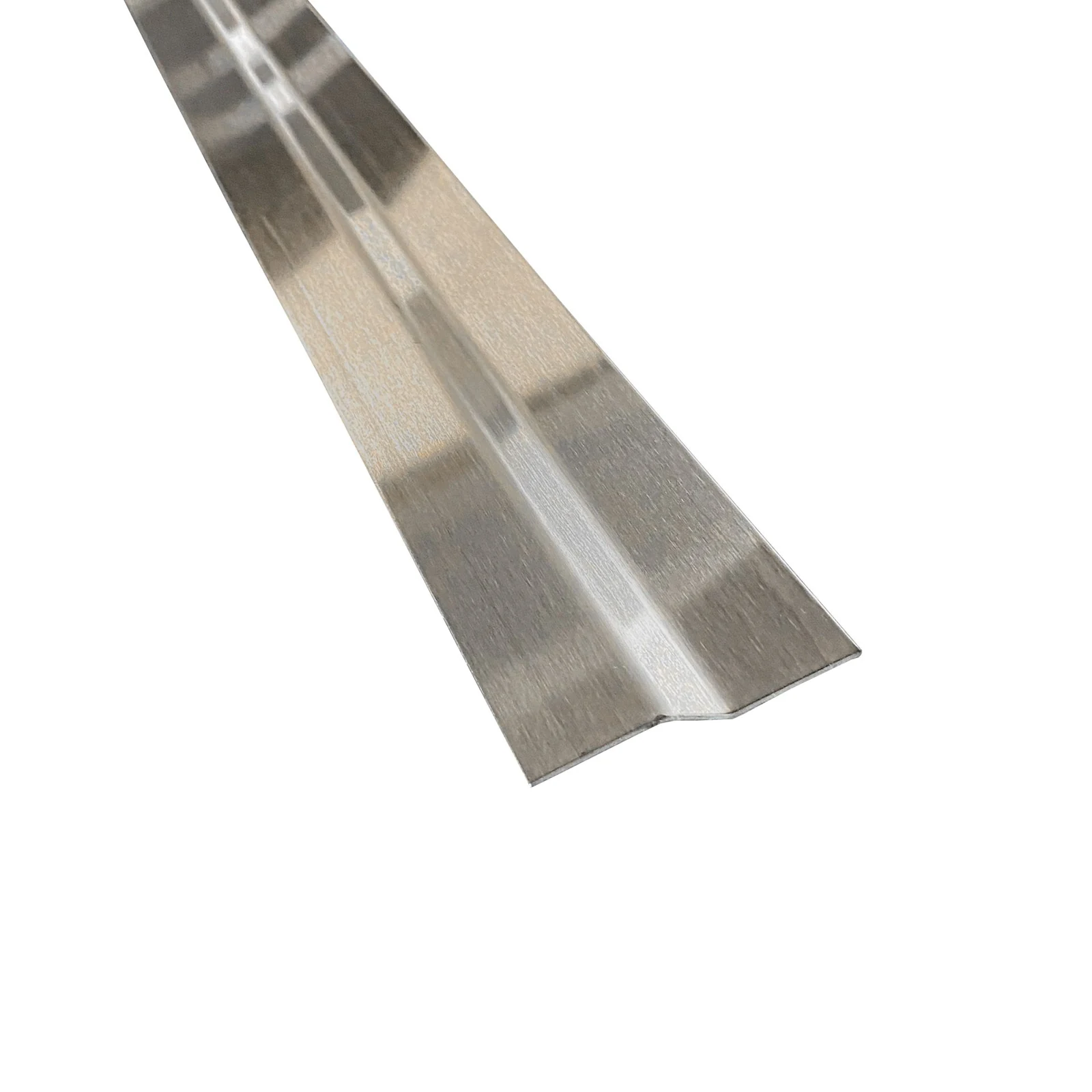
Door surrounds, skirting, wall edges and exposed corners need a finish that works with the shape of the part. Coil, strip and sheet can be selected with the formed section and connectors in mind.
Share the finished section or a sample to discuss cutting, bending, roll forming and surface finishing. We can review the starting dimensions with the visible faces, edges and joints.
Choose tube, coil or sheet for table and chair frames, display structures, shelving, trolley frames and furniture brackets. Your drawing defines the section, bends, connections and visible finish.
For general furniture fabrication, 202 coil or sheet is one option to review. Finished tubes have their own grade directory, including 304. Indoor or outdoor use, welding and exposed surfaces help determine the material specification.
You can enquire with a drawing, sample reference or a short description. The details below help us review the material, processing and delivery you need; share what you already know.
Indoor conditions, moisture, cleaning products and visible faces help define the material and surface brief.
A finished-section drawing or sample helps us review strip width, thickness, bend radii and edges.
Use a finish or colour sample to explain grain direction, exposed faces and any removable protective film.
Indoor, outdoor or coastal use helps us review the material for the installation.
A finish or colour reference, grain direction and adjoining-panel requirements help define the appearance you need.
A panel layout, tube dimensions or section drawing helps us identify the starting material.
Cutting, forming, joining and weld finishing are considered with the selected material and surface.
An estimated quantity and destination help us review delivery options. You can also include any inspection documents, protective film or packaging your order needs.
PURCHASING QUESTIONS
The installation conditions matter as well as the grade. Tell us about salt exposure, wetting, drainage and cleaning, and share the joint and installation details. This gives us a useful basis for comparing the two materials for your components.
Use a reference sample together with the finish, grain direction and visible face. A panel layout helps define how adjoining pieces will be compared, and protective-film requirements can be included with the material order.
For tubes, include the outside dimensions and wall thickness. For L, U or I profiles, include the section dimensions, length and connection details. You can attach the fabrication drawing without completing every field in the configurator.
Yes. Mark visible welds on the drawing and describe the weld finish and any cleaning or passivation treatment needed. These can be included with the material surface and inspection requirements.
Loading your request…