
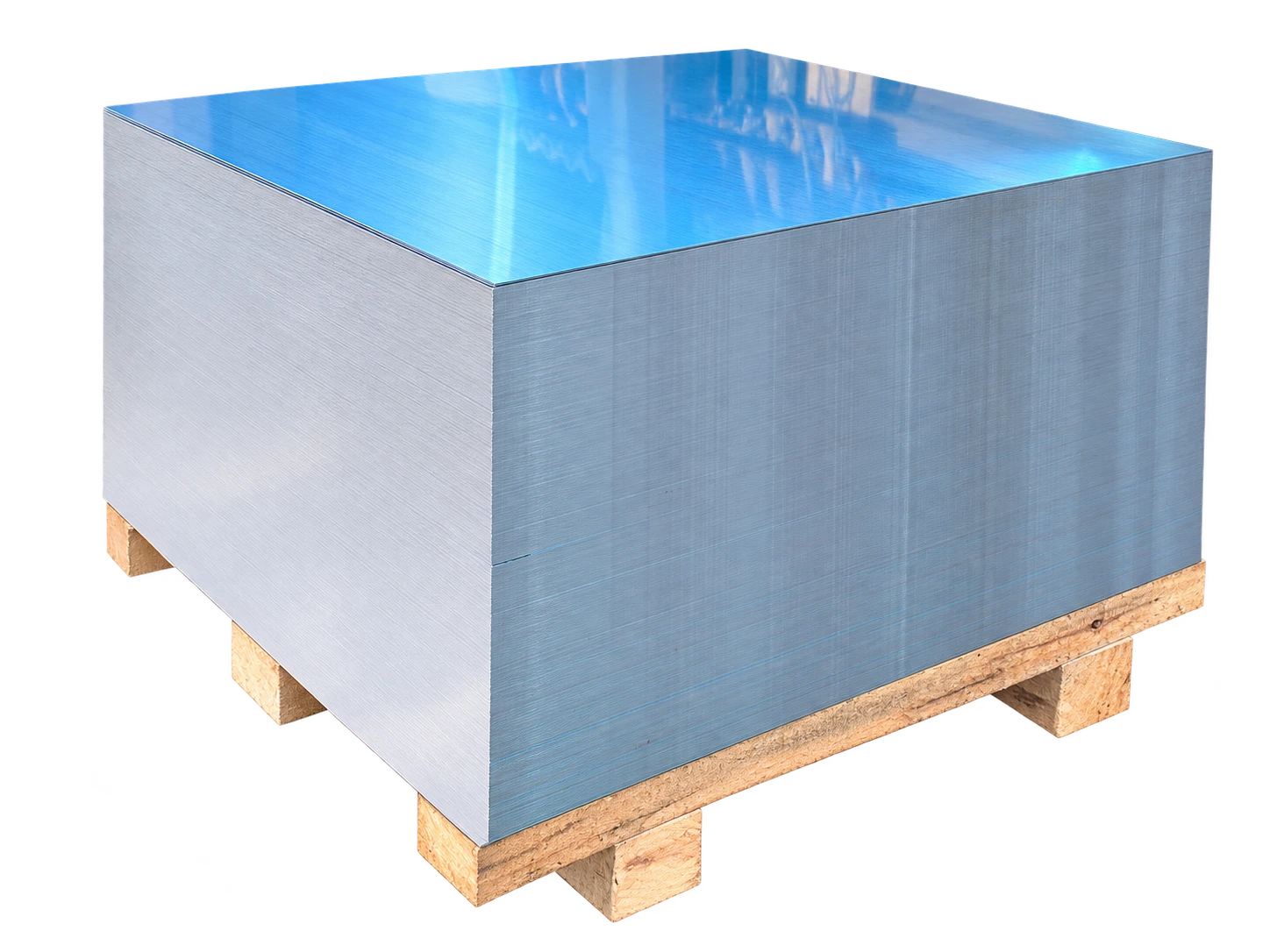
STAINLESS STEEL MATERIALS

Austenitic Stainless Steel

Compare austenitic grades for formed, welded and decorative components. The service environment, fabrication route and finished surface help define the material you need; you can enquire with a drawing before the specification is final.

Grade Directory

Open a grade to compare its characteristics, uses and processing needs. Choose a product within that entry to carry the grade into your specification.

Grade Characteristics & Selection

201-series200-series material for formed and decorative parts

Material Characteristics

201-series describes austenitic material used in general forming and decorative work; the exact material designation remains part of your order specification.

Typical Uses

Common uses include indoor trim, appliance components and formed sheet-metal parts.

Processing and Delivery

Include the agreed mill grade, rolling condition and finish needed for your forming process. For strip, the target slit width and edge condition are also useful.

Comparing Grades

201-series is a series description. Choose the exact material for the service environment and fabrication plan rather than treating the name as a substitute for 304.

201201 grade requirements for coil and strip

Material Characteristics

201 is specified by its own grade and material standard, separately from the broader 201-series description.

Typical Uses

Your component, its service environment and the planned forming process help define the 201 material you need.

Processing and Delivery

Include the material standard or agreed mill designation, rolling condition, dimensions and surface requirements from your drawing or specification.

Comparing Grades

Specify 201 or 201-series explicitly with the required material standard; do not assume the two names refer to the same material specification.

202200-series austenitic grade for general fabrication

Material Characteristics

202 is a separate austenitic grade in the 200 series, used for general fabrication and formed components.

Typical Uses

Typical uses include appliance parts, interior fittings and decorative components.

Processing and Delivery

Choose the delivery condition around your next forming step, and include any welding and appearance requirements.

Comparing Grades

202 and 201-series have separate grade requirements. Compare the specified material and forming response instead of selecting by the shared series number alone.

301Austenitic grade with a pronounced work-hardening response

Material Characteristics

301 gains strength during cold working and is often selected for elastic components.

Typical Uses

Common uses include springs, clips and flexible formed parts.

Processing and Delivery

The choice between forming stock and work-hardened material depends on your part. Include bending direction, thickness tolerance and edge requirements for narrow strip.

Comparing Grades

Work-hardening response is a central reason to choose 301. A general-purpose grade such as 304 answers a different balance of forming and strength requirements.

302Austenitic grade for formed and temper-rolled components

Material Characteristics

302 combines general corrosion resistance with a useful work-hardening response.

Typical Uses

It is used in formed components and applications that specify temper-rolled material.

Processing and Delivery

Include the required temper, forming sequence and surface condition. For sheet, identify the cutting and bending requirements.

Comparing Grades

302 and 304 are distinct grades. Where a drawing calls for 302, compare the strength and forming requirements before changing the designation.

302HQAustenitic wire grade for cold-heading operations

Material Characteristics

302HQ is an austenitic grade with a slow work-hardening response, used when substantial cold heading is required.

Typical Uses

Typical uses include screws, rivets, bolts and other cold-headed fastener components.

Processing and Delivery

The heading sequence, wire diameter, surface quality and drawn or annealed condition help match the wire to your process. Include any lubrication and feed requirements of the forming equipment.

Comparing Grades

Compare 302HQ separately with 302 spring wire and 304Cu, using the grade designation and forming requirements in your specification.

303Free-machining austenitic grade for turned components

Material Characteristics

303 is an austenitic stainless steel developed for easier machining, with sulfur added to improve chip formation.

Typical Uses

Common uses include turned fasteners, fittings and other machined bar components.

Processing and Delivery

Choose the bar shape and include machining allowance, surface condition and tolerances. Any later forming or welding also matters to the material selection.

Comparing Grades

303 prioritises machinability. Compare it separately with general-purpose 304 when welding, severe forming or the service environment also influences selection.

304General-purpose austenitic stainless steel

Material Characteristics

304 offers a practical balance of corrosion resistance, forming and welding characteristics.

Typical Uses

Typical uses include kitchen equipment, fabricated housings and general industrial components.

Processing and Delivery

Match the finish, forming operation and weld preparation to your part. Dimensions and edges need to be specified for the coil, flat product or section you choose.

Comparing Grades

304L is a separate low-carbon designation. Where chloride exposure is important, compare the service requirements with 316 rather than relying on surface appearance.

304LLow-carbon 304-family grade for welded fabrication

Material Characteristics

304L is the low-carbon member of the 304 family, commonly chosen for welded assemblies.

Typical Uses

Typical uses include tanks, pipework and sheet-metal equipment with welded joints.

Processing and Delivery

Your welding and cleaning operations, final finish and inspection documents help define the order. Keep 304L as the exact grade designation where it is specified.

Comparing Grades

Selecting 304L does not also specify 304 or a dual-certified product. Strength requirements and the governing material specification still need separate review.

304LNLow-carbon austenitic grade with increased strength

Material Characteristics

304LN combines low-carbon characteristics with nitrogen strengthening.

Typical Uses

It is considered for structural and fabricated components where strength matters alongside toughness.

Processing and Delivery

The design specification, welding plan and required mechanical condition guide the material selection. Include the plate thickness and fabrication details with your enquiry.

Comparing Grades

304LN is not simply another label for 304L. Its strength requirement is part of the material selection and should remain explicit.

304CuCopper-bearing austenitic grade for cold forming

Material Characteristics

304Cu contains copper and is used where cold-working and forming behaviour influence material selection.

Typical Uses

Common uses include cold-heading stock for fasteners and material for complex formed components.

Processing and Delivery

Share the grade designation, diameter, delivery condition and forming operation you need. Appearance, drawing and heading-surface requirements can be included in the same enquiry.

Comparing Grades

Compare 304Cu separately with 304 and 302HQ against the material specification and processing route you need; the names do not establish equivalent certification.

305Austenitic grade for demanding cold forming

Material Characteristics

305 has a relatively low rate of work hardening during cold forming.

Typical Uses

Typical uses include deeply drawn shells, cups and other heavily formed components.

Processing and Delivery

Share the drawing sequence and required surface quality. The delivery condition should allow the planned deformation without unnecessary intermediate work.

Comparing Grades

Compared with 301 or 302, 305 is selected for forming behaviour rather than rapid strengthening through cold work.

309Heat-resistant austenitic grade for furnace components

Material Characteristics

309 is an austenitic stainless steel used for resistance to oxidation in heat-exposed service.

Typical Uses

Typical uses include furnace parts, heat-treatment fixtures and related fabricated components.

Processing and Delivery

The service atmosphere, thermal cycling, welding plan and delivery condition guide selection for your furnace part. The component drawing should also identify expansion and support details.

Comparing Grades

309 and 309S have different carbon requirements. Select the designation required by the design rather than interchanging the two suffixes.

309SLower-carbon 309-family grade for heat-exposed fabrication

Material Characteristics

309S is a lower-carbon heat-resistant austenitic grade in the 309 family.

Typical Uses

It is used for fabricated furnace equipment and other heat-exposed sheet and plate components.

Processing and Delivery

State the heat exposure, atmosphere and weld requirements. Add surface and flatness requirements where the material will be cut into fabricated parts.

Comparing Grades

The S designation distinguishes it from 309. Compare with 310S using the actual furnace environment and fabrication requirements.

310Austenitic grade for demanding oxidation conditions

Material Characteristics

310 is a heat-resistant austenitic stainless steel used in demanding oxidation conditions.

Typical Uses

Common uses include furnace internals, heat-treatment equipment and heat-exposed fabrications.

Processing and Delivery

Share the operating atmosphere, cycling pattern and component drawing, together with the rolling condition and weld preparation needed for fabrication.

Comparing Grades

310 and 310S remain separate order designations. Their carbon requirements affect the selection alongside the intended service.

310SLower-carbon heat-resistant grade in the 310 family

Material Characteristics

310S combines austenitic fabrication characteristics with resistance to high-temperature oxidation.

Typical Uses

Typical uses include furnace linings, heat-treatment fixtures and fabricated heating-equipment parts.

Processing and Delivery

Include thermal cycling, process atmosphere and welding details. Choose the surface and delivery state needed for the finished assembly.

Comparing Grades

310S is the lower-carbon designation relative to 310. A higher heat-resistant grade name alone does not define suitability for every furnace atmosphere.

316Austenitic grade for more demanding corrosion exposure

Material Characteristics

316 provides increased resistance to localized corrosion compared with general-purpose 304.

Typical Uses

It is commonly considered for process equipment, water-handling components and chloride-exposed fabrications.

Processing and Delivery

The medium, cleaning chemicals and exposure help determine the material requirement. Include the surface finish, dimensions, welding and fabrication needs of your part.

Comparing Grades

316L has a separate low-carbon designation. Selection for marine or chloride service also depends on the environment, geometry and cleaning conditions.

316LLow-carbon 316-family grade for welded process equipment

Material Characteristics

316L is a low-carbon austenitic grade used where corrosion resistance and welding are both important.

Typical Uses

Common uses include welded vessels, process pipework and equipment parts exposed to cleaning fluids.

Processing and Delivery

Your process medium, weld condition, cleaning procedure and final surface help define the material order. Inspection documents should match the component specification.

Comparing Grades

The L designation concerns the grade requirement; it does not mean a softer delivery state or automatically provide dual certification with 316.

316TiStabilized 316-family grade for heat-exposed welded parts

Material Characteristics

316Ti is a stabilized austenitic grade used where heat exposure and welded fabrication influence selection.

Typical Uses

Typical uses include heat exchangers, process equipment and heat-exposed piping components.

Processing and Delivery

Give the operating cycle, weld details and the exact material specification. For structural sections, identify the section and fabrication route.

Comparing Grades

316Ti uses a stabilization approach distinct from the low-carbon 316L designation. The two should be compared against the drawing and service requirements.

317LLow-carbon austenitic grade for corrosive process service

Material Characteristics

317L is an austenitic option for more demanding corrosion requirements than standard 316-family material.

Typical Uses

It is considered for chemical-process equipment and pulp-related fabrications.

Processing and Delivery

Include the process chemistry, temperature, cleaning cycle and welding requirements. Surface and edge preparation should support the finished component.

Comparing Grades

Compare 317L with 316L on the actual process exposure. It is a corrosion-selection step, not a change in material shape or delivery hardness.

321Stabilized austenitic grade for welded and heated components

Material Characteristics

321 is a stabilized austenitic grade used for components that experience welding and heat exposure.

Typical Uses

Common uses include heat-exchanger parts, exhaust components and fabricated process equipment.

Processing and Delivery

Specify the thermal cycle and weld requirements with the dimensions and finish. Any later forming or heat treatment should be described in the enquiry.

Comparing Grades

321 and 347 use different stabilization systems. Keep the drawing designation rather than treating all stabilized grades as interchangeable.

330Heat-resistant austenitic grade for furnace hardware

Material Characteristics

330 is used where oxidation, carburization and thermal cycling affect furnace-component life.

Typical Uses

Typical uses include heat-treatment fixtures, furnace baskets and other heat-processing hardware.

Processing and Delivery

Provide the furnace atmosphere, loading cycle and fabrication details. For sheet, state the cutting, bending and joining requirements.

Comparing Grades

330 addresses specialist heat-service requirements rather than the general wet-corrosion duties usually associated with 304 or 316.

347Stabilized austenitic grade for heat-exposed fabrication

Material Characteristics

347 is a stabilized austenitic stainless steel used for welded components exposed to heat.

Typical Uses

Typical uses include heat exchangers, combustion-equipment parts and process pipework.

Processing and Delivery

Specify the exact grade, thermal exposure and welding procedure. Confirm the delivery condition and documents required by the component design.

Comparing Grades

347 is distinct from 321 despite their related uses. The stabilization requirement and applicable design specification guide the choice.

904LHigh-alloy austenitic grade for demanding process corrosion

Material Characteristics

904L is a high-alloy austenitic stainless steel used for demanding acid and localized-corrosion conditions.

Typical Uses

Typical uses include chemical-process equipment, heat exchangers and related fabricated components.

Processing and Delivery

Provide the process chemistry, concentration, operating conditions and weld requirements. Include inspection and surface-cleanliness requirements for the finished component.

Comparing Grades

904L is a high-alloy austenitic grade. Compare its corrosion characteristics with 316L or 317L against the exposure specified for your part.

Delivery Condition and Purchasing Requirements

For formed or welded parts, dimensions, surface finish and the planned fabrication help define the material you need.

Your drawing or specification can include the product standard, tolerances and inspection documents. We review the grade, product form and delivery condition together for the order.

Contact Sales

Send your part drawing or the material specification you have. Include the product form, grade, condition, quantity and destination where known, and we can work through the remaining details with you.