
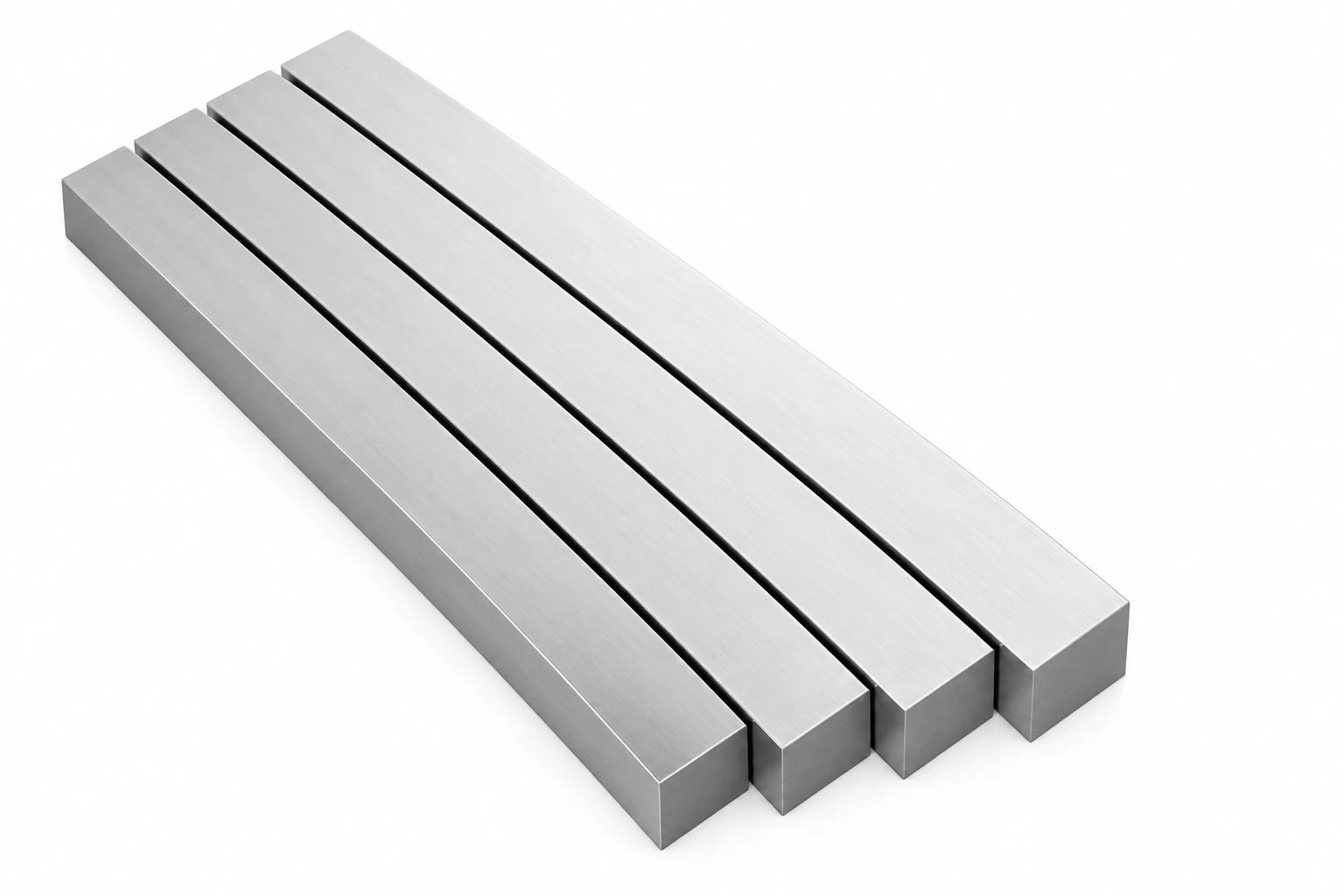
STAINLESS STEEL MATERIALS

Precipitation-Hardening Stainless Steel

Compare precipitation-hardening grades for components with specified strength and fabrication needs. The product form, delivery condition and planned heat treatment are part of the material selection, alongside the finished-part requirements.

Grade Directory

Open a grade to compare its characteristics, uses and processing needs. Choose a product within that entry to carry the grade into your specification.

Grade Characteristics & Selection

17-4PHPrecipitation-hardening grade for strength-led components

Material Characteristics

17-4PH is strengthened through precipitation-hardening heat treatment.

Typical Uses

Common uses include loaded mechanical parts and structural components requiring a specified aged condition.

Processing and Delivery

Specify the required heat-treatment condition and whether machining takes place before or after ageing. Strength, toughness and inspection requirements belong in the component specification.

Comparing Grades

17-4PH is distinct from spring-oriented 17-7PH. The grade name alone does not define its final aged condition.

17-7PHPrecipitation-hardening grade for elastic flat components

Material Characteristics

17-7PH is used for formed flat components that develop strength through a defined heat-treatment route.

Typical Uses

Typical uses include springs, diaphragms and elastic formed parts.

Processing and Delivery

For 17-7PH coil enquiries, specify a cold-rolled delivery condition, the forming sequence and required heat treatment. A general hard or soft description does not define the final heat-treated condition.

Comparing Grades

17-7PH and 17-4PH serve different fabrication needs. A general delivery-state label does not identify a precipitation-hardening treatment.

Delivery Condition and Purchasing Requirements

The specified heat-treatment or ageing condition and target hardness define the material condition required for your component.

Dimensions, surface finish and the planned forming or welding help define the material for your component.

Send the required product standard, tolerances and inspection documents. The grade, product form and delivery condition are reviewed together for the order.

Contact Sales

Send the drawing or specification for your component. Include any known grade, form, dimensions, heat-treatment condition and quantity, plus the delivery destination.