
STAINLESS STEEL FOR YOUR COMPONENTS

Food & Beverage Equipment

Coil, strip, sheet and tube options for kitchen and process-equipment parts. We help you keep decorative exterior finishes separate from the material, weld and cleaning requirements of food-contact or wetted surfaces.

Material for the Parts You Make

Cookware, strainers and kitchen utensils

Kitchen work surfaces, vessel panels and equipment frames

Sinks and dishwasher tubs, front panels and kitchen-appliance housings
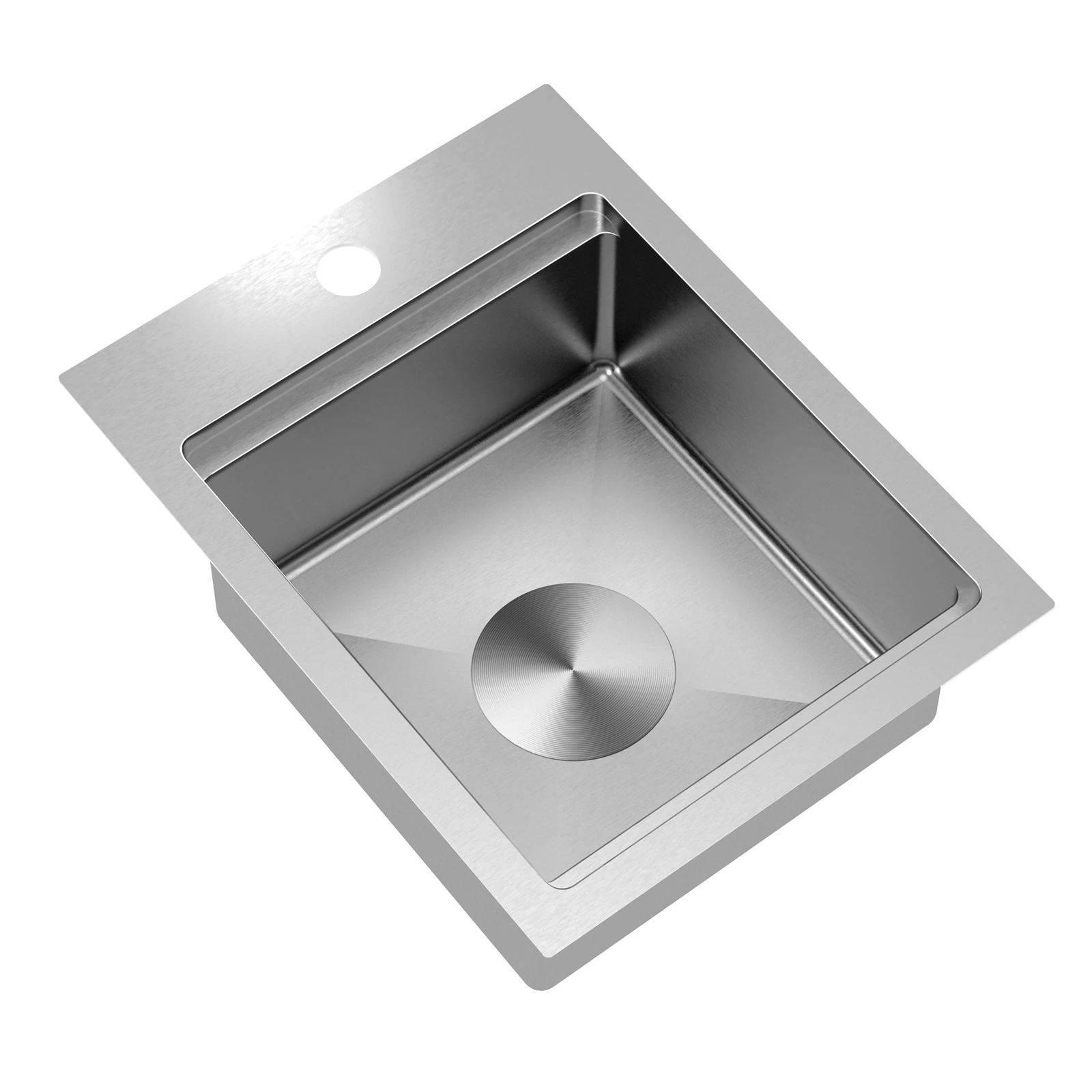
A metal kitchen sink with a formed bowl and mounting rim

Material, Processing & Surface Options

Surface Options for Your Part

Finishes for Exterior Panels and Trim

Choose PVD finishes or decorative laminates for outer panels, handles and non-contact trim, with the part location and later fabrication taken into account.

The decorative faces, cooking or cleaning exposure, folded edges and appearance sample help define your finish request.

Discuss PVD Finishes

Decorative Film on Metal Faces

We help you explore film-laminated material for appliance skins and decorative kitchen components.

Tell us where the part is used, the cleaning products it will meet and the forming route, or share a sample for discussion.

Discuss Decorative Film Lamination

Topcoats for Touched Surfaces

A functional topcoat can be considered with the metal finish for outer panels that people handle and clean.

Your handling, cleaning and appearance requirements guide the finished-sample checks.

Discuss Functional Topcoats

Food-Contact and Process Surfaces

For wetted or food-contact parts, the material, finish, weld treatment and cleaning specification need to reflect the equipment duty.

Details of the contact medium, temperature, cleaning cycle and required documents help us discuss these parts separately from decorative faces.

Discuss Contact-Surface Requirements

Processing & Samples

  1. Part Zones and Contact Surfaces

    A drawing showing food-contact faces, wetted areas and cosmetic outer panels helps separate their requirements.

  2. Fabrication and Welds

    We work through pressing, drawing, bending or welding requirements with you, including the treatment of cut edges and welds.

  3. Surface and Sample Requirements

    The part location, cleaning conditions and agreed sample provide the reference for the selected surface.

Information for Your Enquiry

You can enquire with a drawing, sample reference or a short description. The details below help us review the material, processing and delivery you need; share what you already know.

Product-contact areas

Mark food- or product-contact faces on the drawing, with the surface finish your equipment requires.

Cleaning conditions

The cleaning products, temperature and cycle help us review material and finish options for the part.

Welded surfaces

Include any specified internal weld finish, surface roughness and inspection method.

Required documents

Your project standard and inspection-document requirements can be reviewed with the order.

Quantity & Delivery

An estimated quantity and destination help us review delivery options. You can also include any inspection documents, protective film or packaging your order needs.

PURCHASING QUESTIONS

Your Material & Ordering Questions

Is 304L or 316L enough to specify a food-contact component?

The grade is only part of the specification. The contact-surface finish, weld treatment, cleaning conditions and project documents also matter. Include these with your drawing or equipment specification so the material enquiry covers the finished component requirements.

What cleaning details help you assess the material requirements?

The cleaning agents, concentrations, temperature and cycle duration are useful. Tell us about chloride-containing products and places where liquid can remain after cleaning, as these change the exposure of the part.

Can I include the surface requirements for a welded tube or tank?

Yes. Include the internal and external finishes, any roughness specified on the drawing, and the treatment required for welds and heat tint. The equipment specification can also identify how these will be inspected.

Should I request coil, sheet or tube for my equipment?

Coil or sheet is the starting form for pressed, drawn and panel parts; tube is used for the specified pipe or tubular component. If you are unsure, send the finished-part drawing and the planned fabrication steps so we can discuss the starting form with you.

Loading your request…