
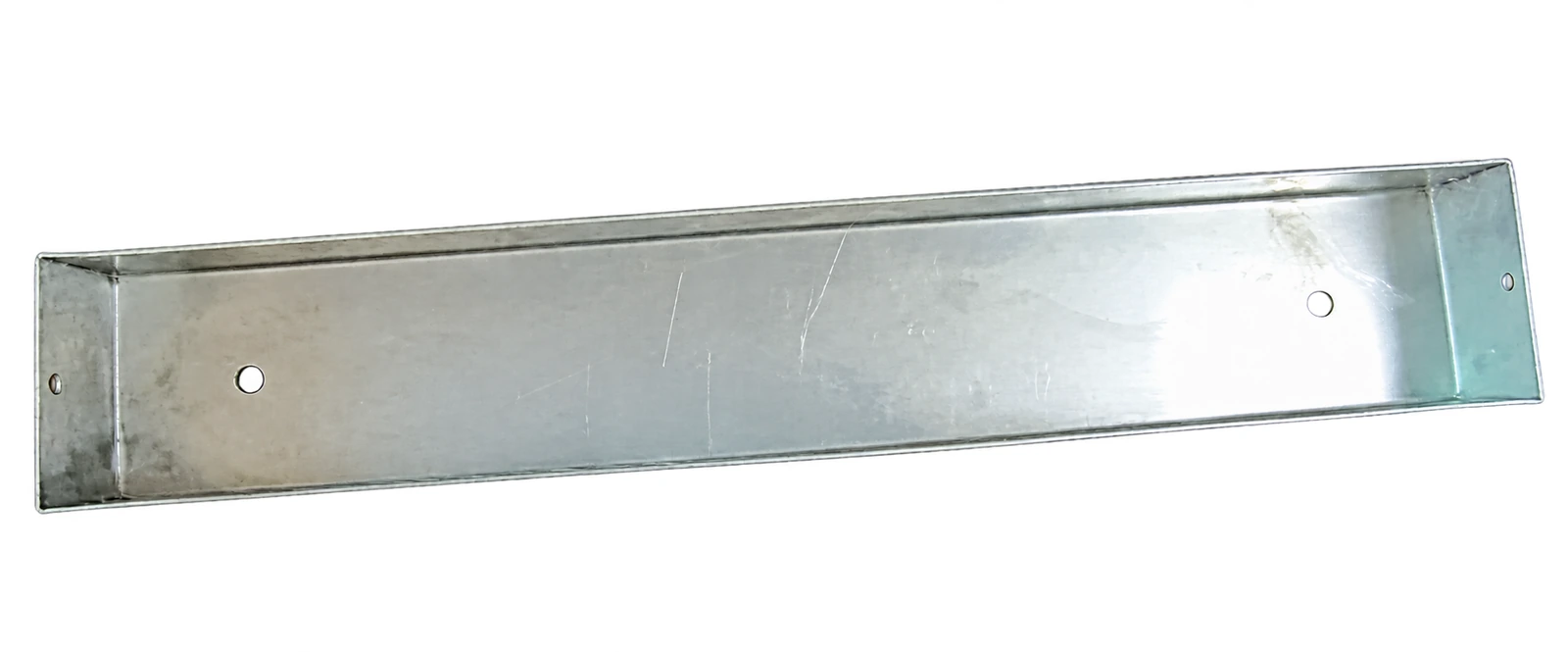
Clips, Brackets & Stamped Parts
Balance the condition needed for punching and bending with the properties required in the finished part. Mark critical bends, holes and edges on the drawing.
YOUR PART & PROCESS
The finished part and your next processing step help define the strip specification.
Balance the condition needed for punching and bending with the properties required in the finished part. Mark critical bends, holes and edges on the drawing.
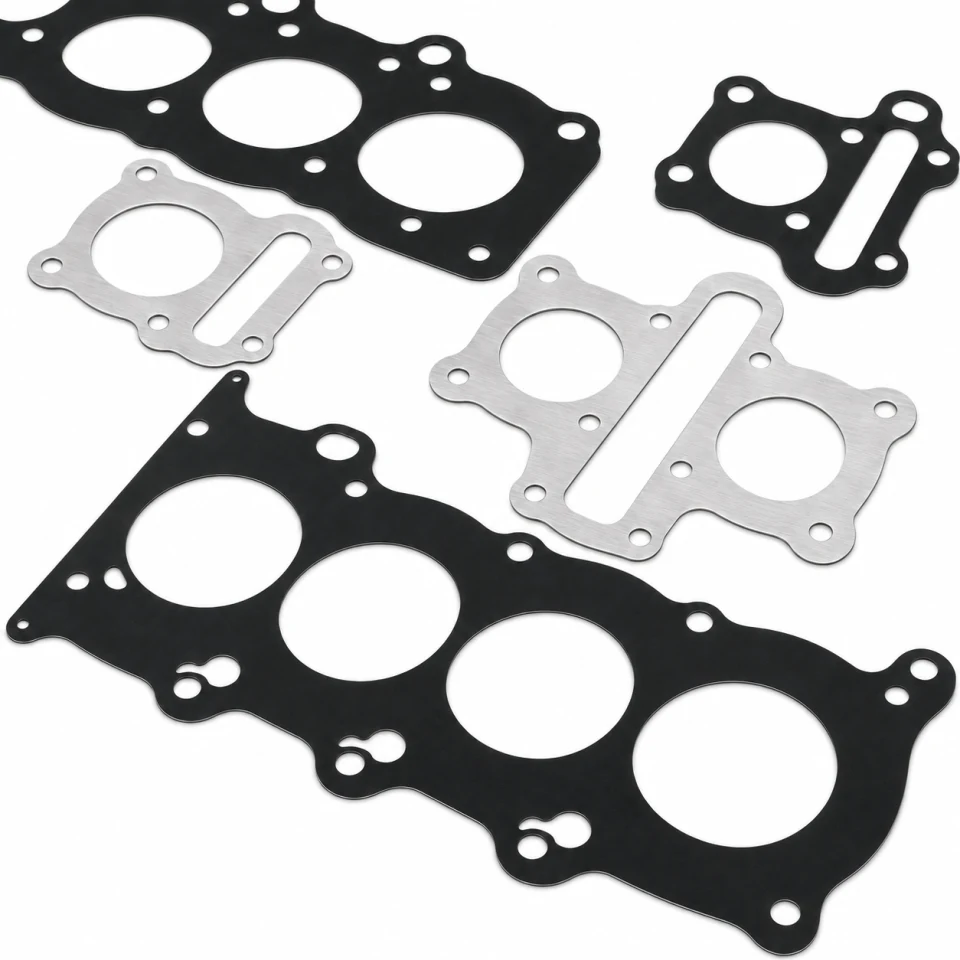
Specify the thickness control, flatness and surface needed by the gasket design. Include the service conditions and any requirements for the sealing faces.
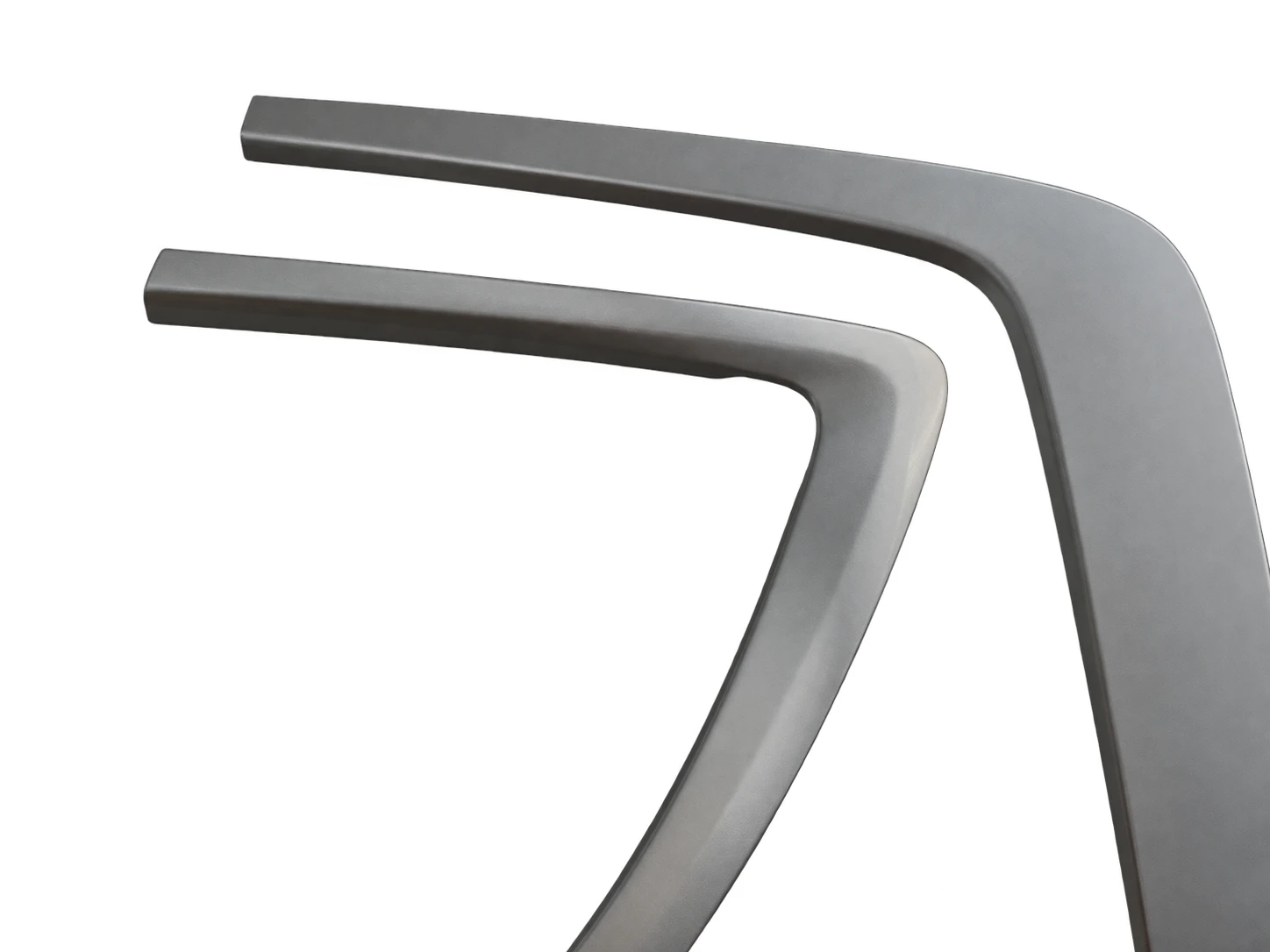
For trim and other formed sections, describe the profile, visible face and forming sequence. A sample or drawing helps us review the base finish and corner appearance.
MATERIAL & DELIVERY
Review these precision-route references with the condition, finish and coil format your production needs.
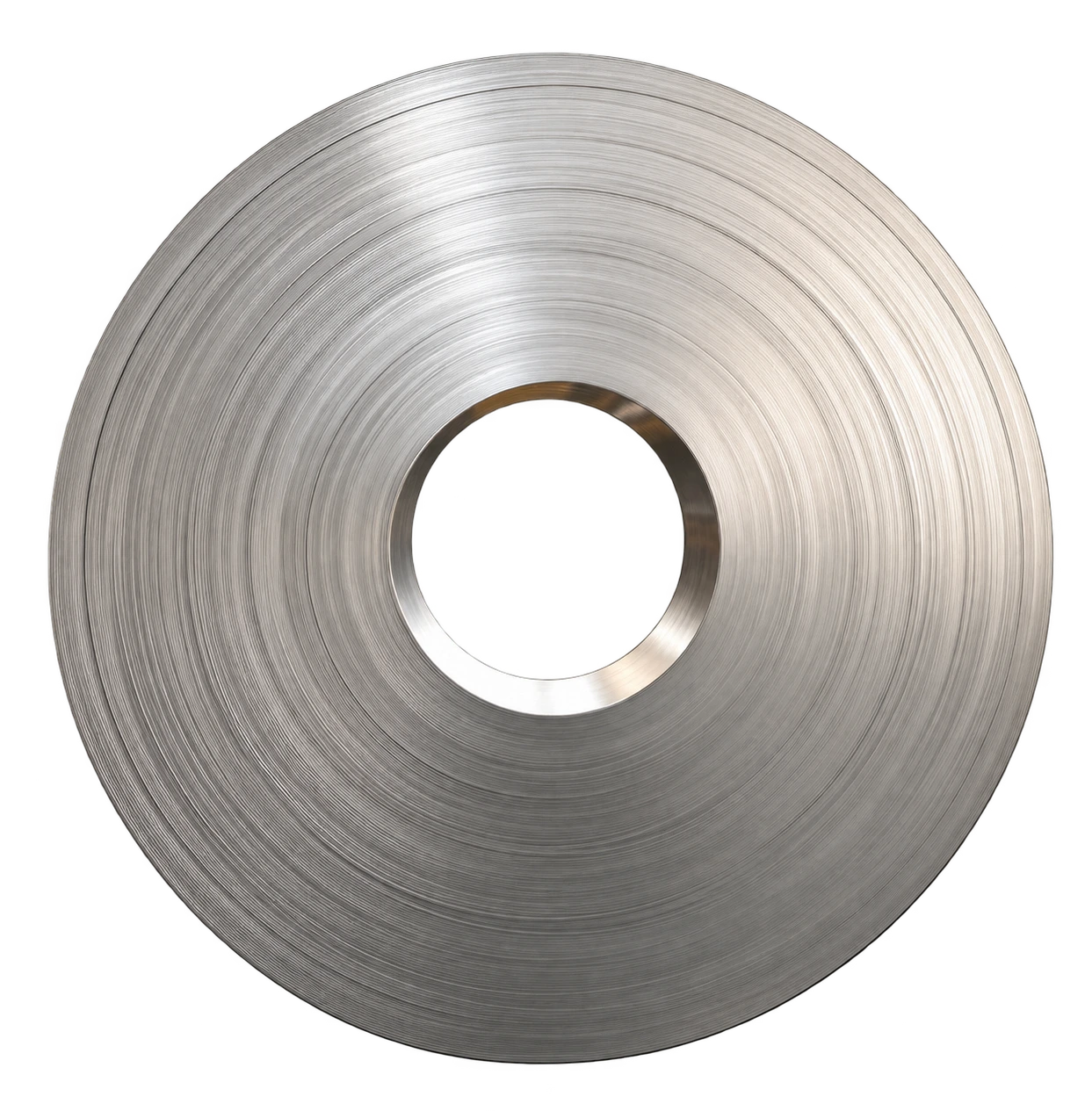
0.05–2.0 mm thick · Width up to 660 mm
Start with the thickness and material condition required by your part. Discuss the hardness, flatness and finish alongside the forming operations that follow.
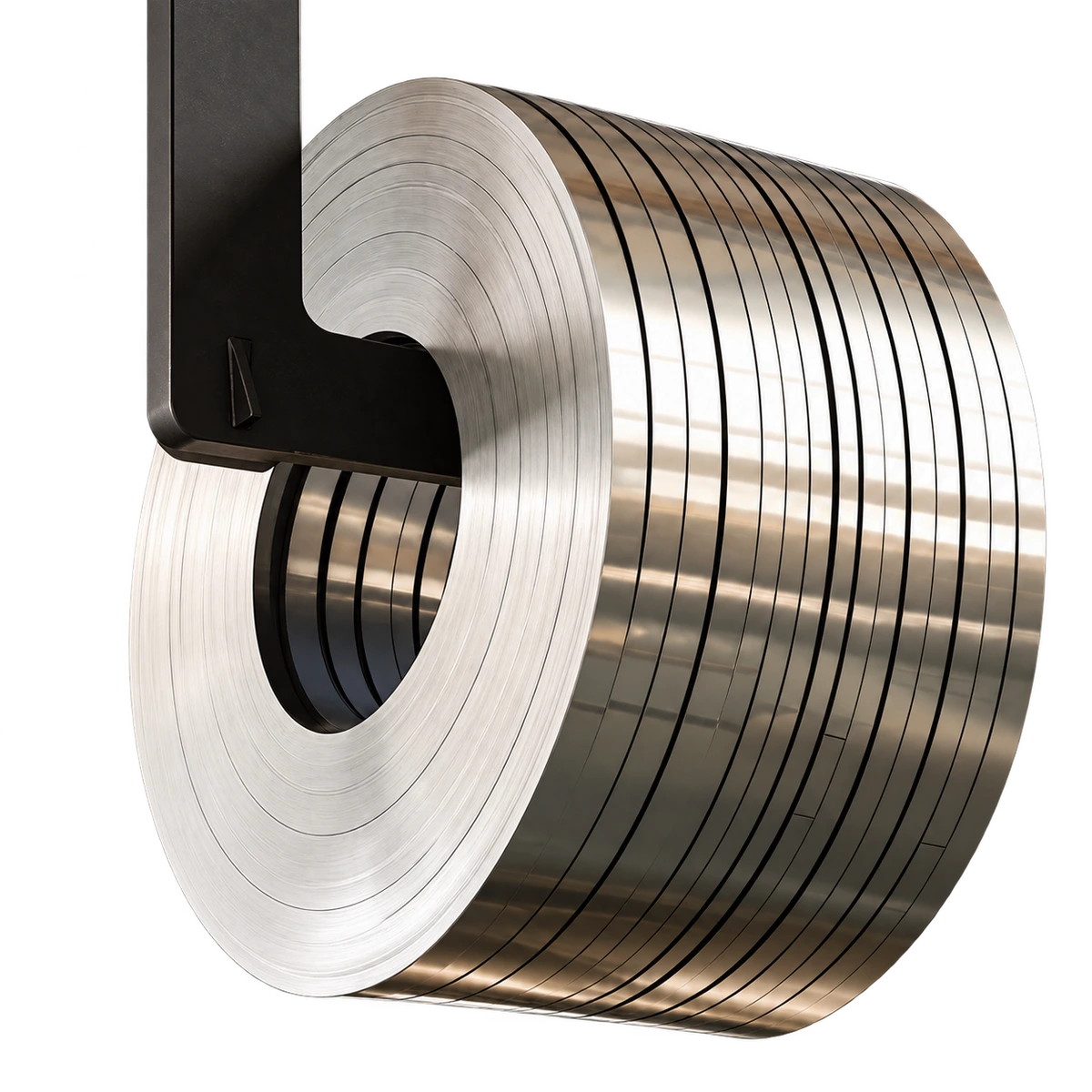
Route reference: slitting width from 11 mm
Plan the finished width around your feeder or roll-forming line. The width reference belongs to this processing route; share the parent strip, thickness and edge requirements so we can review the order.
These are references for the precision-strip route. We review the grade, thickness, width, condition and finish together with your drawing and purchase quantity.
SPECIFY FOR YOUR LINE
Send the requirements you already have. A drawing, current material specification or sample reference can answer several of these questions at once.
Provide nominal dimensions, tolerance limits and the flatness that matters to your tooling or assembly.
Include the specified condition or target hardness. If you need advice, tell us how the strip will be formed and used.
Identify the edge condition, burr limit or inspection method required for feeding, stamping and handling.
Mark visible faces, finish references and any coating or film requirements. Explain the bending, forming or joining that follows.
State coil ID, maximum OD, coil weight, winding direction and the limits of your feeder or lifting equipment.
Include the quantity and unit, sample needs, requested documents, packing instructions and delivery destination.
PROCESSING & CHECKS
Your drawing and sample reference connect the material selection, processing route and finished-strip checks.
We work through the material, dimensions, edges and surface with your drawing. A forming or appearance sample can help settle the details before the order.
The selected route can include cold rolling, annealing, levelling and slitting. Material condition and the next fabrication step determine which operations are needed.
Agree the dimensional, edge and surface checks and any documents with the order. Keep the approved sample and specification revision as the reference.
SURFACE PROTECTION & DISPATCH
Surface condition, coil geometry and receiving equipment guide the protection and packing requirements.
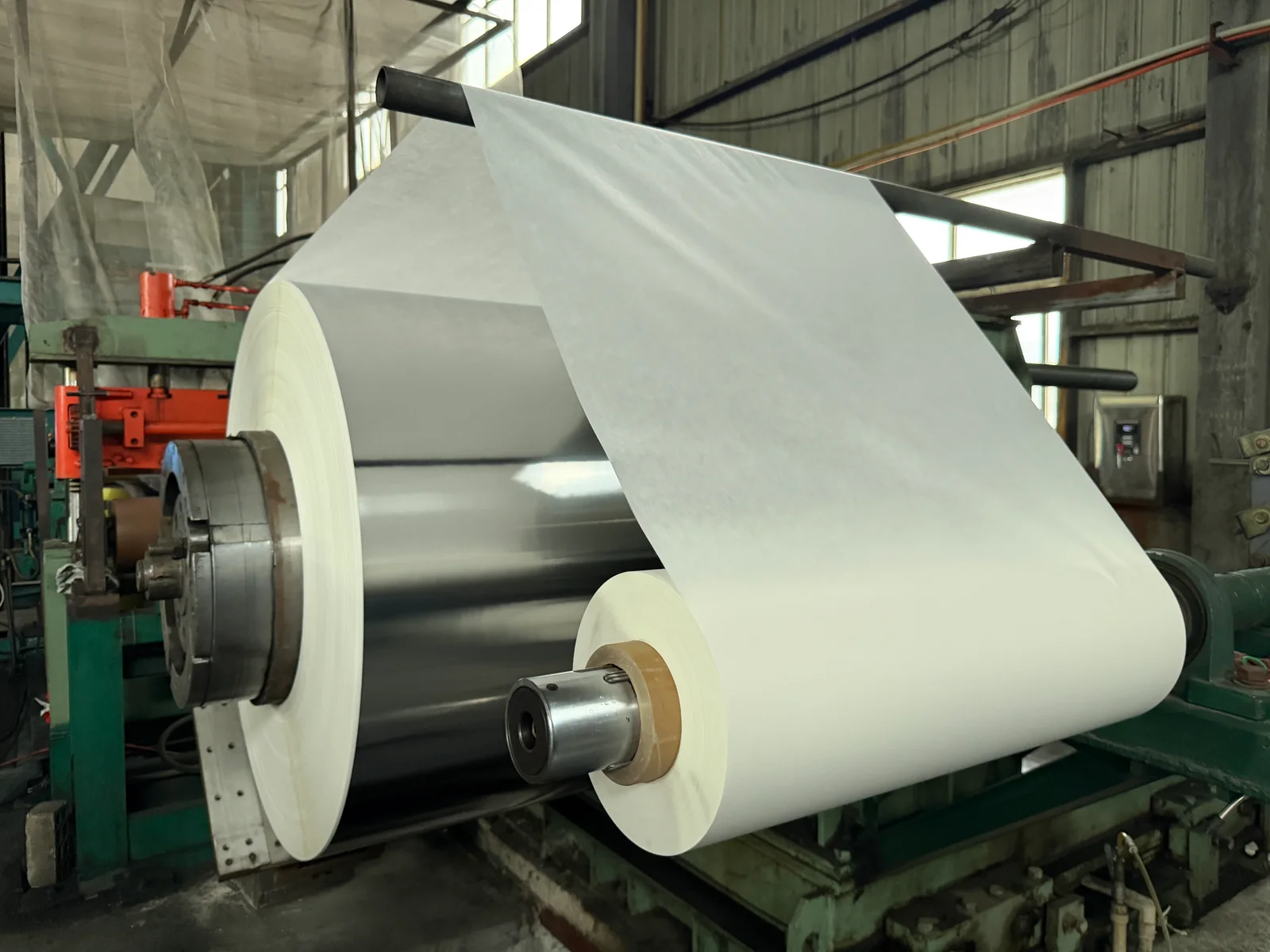
For precision cold-rolled coils with specified surface requirements, dedicated interleaving paper reduces direct metal contact during processing and handling.
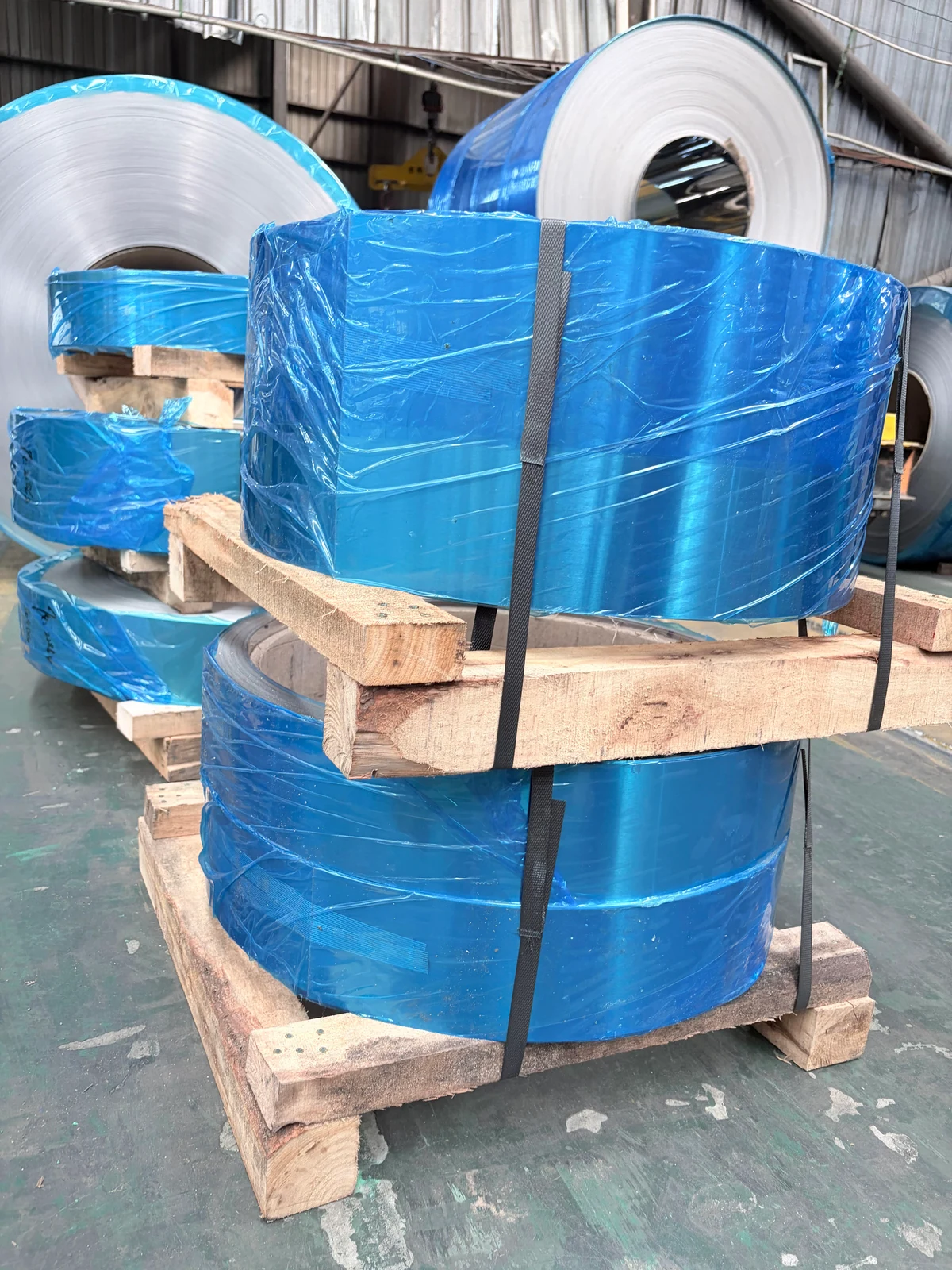
Confirm coil weight, eye direction, wrapping, pallet layout and identification with the handling equipment and destination. Removable surface film is specified separately from dispatch wrapping.
PURCHASING Q&A
Define the features that affect your part or production line: thickness and width tolerances, flatness, hardness, edge condition and surface. Send the drawing or specification with its acceptance limits so we can review the requirements together.
11 mm is the slitting reference for this particular route. Include the parent grade, thickness, required width, edge condition and quantity. We review those together before confirming the processing arrangement.
An existing drawing or material standard is a useful starting point. Otherwise, explain the part use, forming operations and properties needed after processing. You can request advice without choosing soft or hard strip in advance.
Share the required inside diameter, maximum outside diameter, coil weight and winding direction. The route references of 300 and 610 mm ID help start the discussion; include your equipment limits and any pallet or handling restrictions.
Tell us whether the sample is for stamping, bending, surface appearance or dimensional checks, and specify the size and condition it needs to represent. We can coordinate sampling and record the agreed reference for the order.
They depend on the grade, starting strip, dimensions, condition, processing and order quantity. Send the requirement and destination so we can discuss the available route and quotation. If the quantity is an estimate, label it as such.
Include the application or part drawing, grade or standard, thickness, finished width, hardness or condition, tolerance and edge requirements, surface, coil setup, quantity and destination. Add inspection documents, a finish sample or packaging instructions where needed.
Loading your request…